What It Takes to Coordinate a Statewide Content Capture
A New Jersey Case Study
When people see a polished drone video or highlight reel from multiple facilities across a state, it looks simple.
In reality, it’s one of themost complex types of production coordination you can attempt.
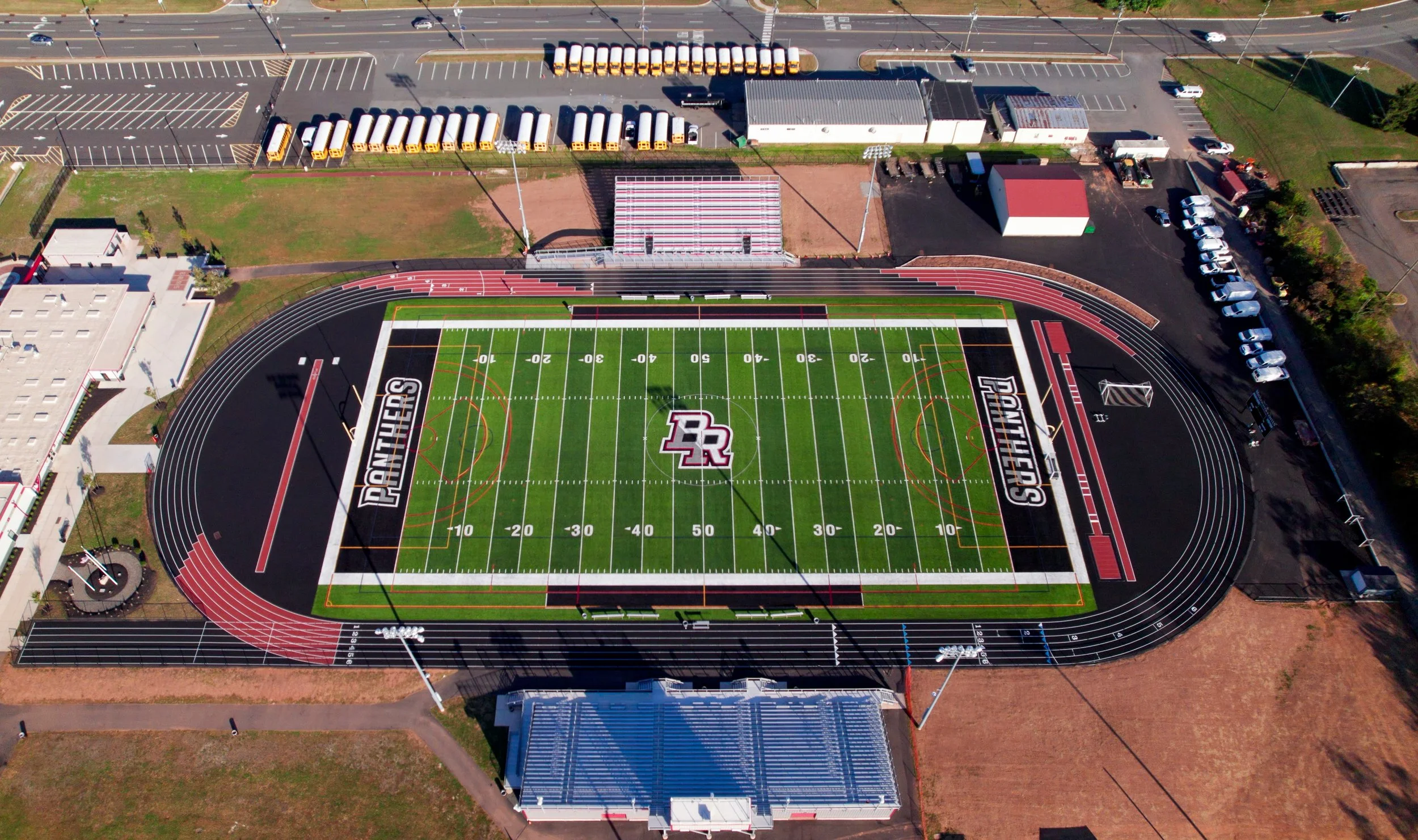
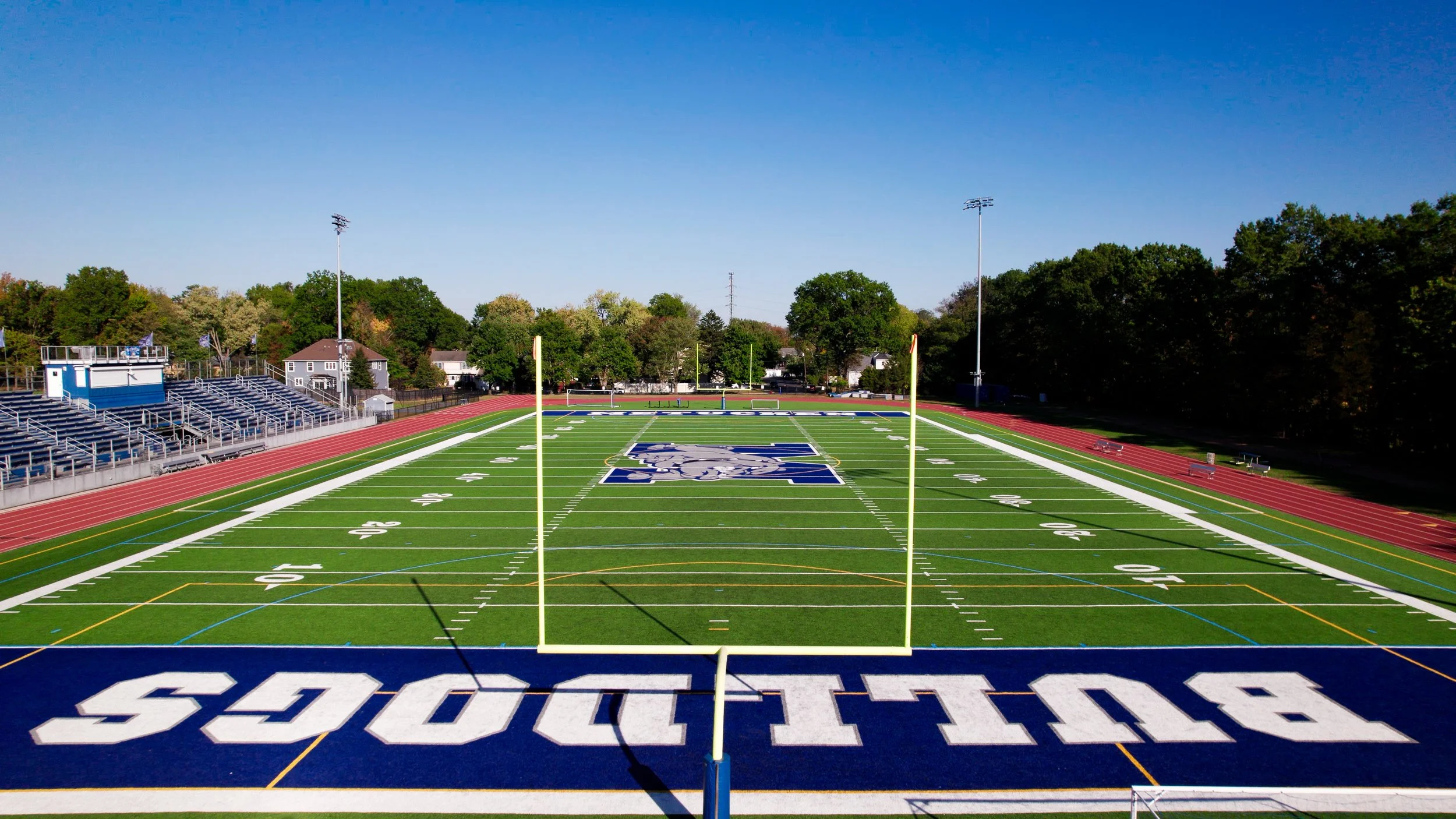
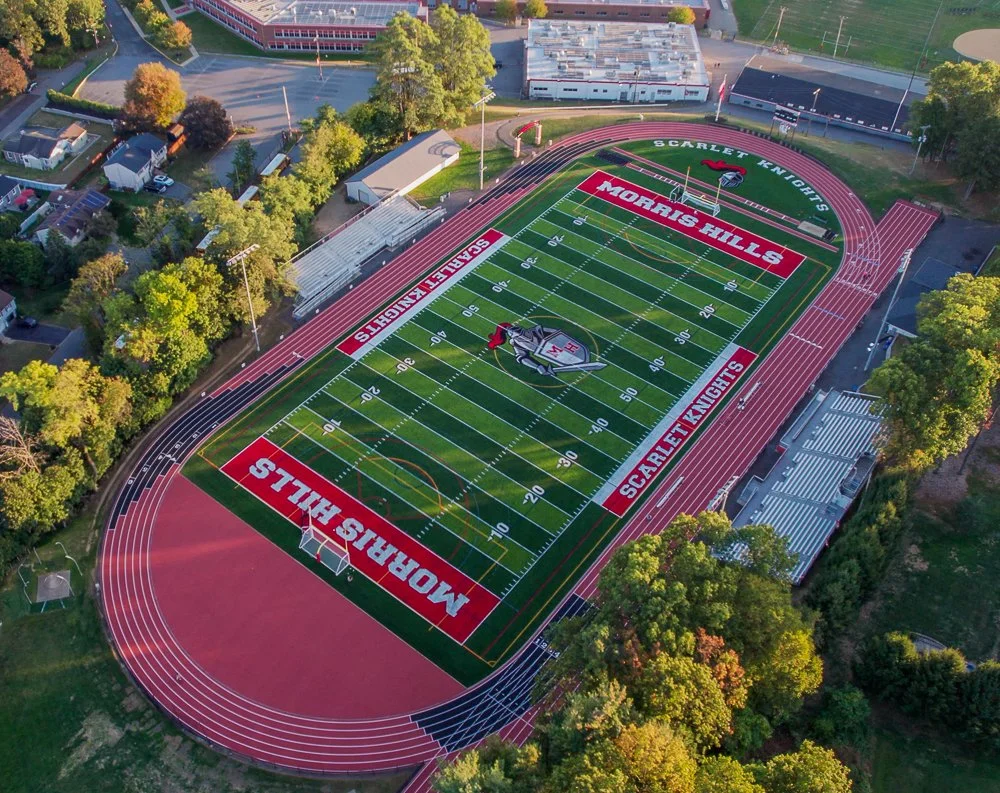
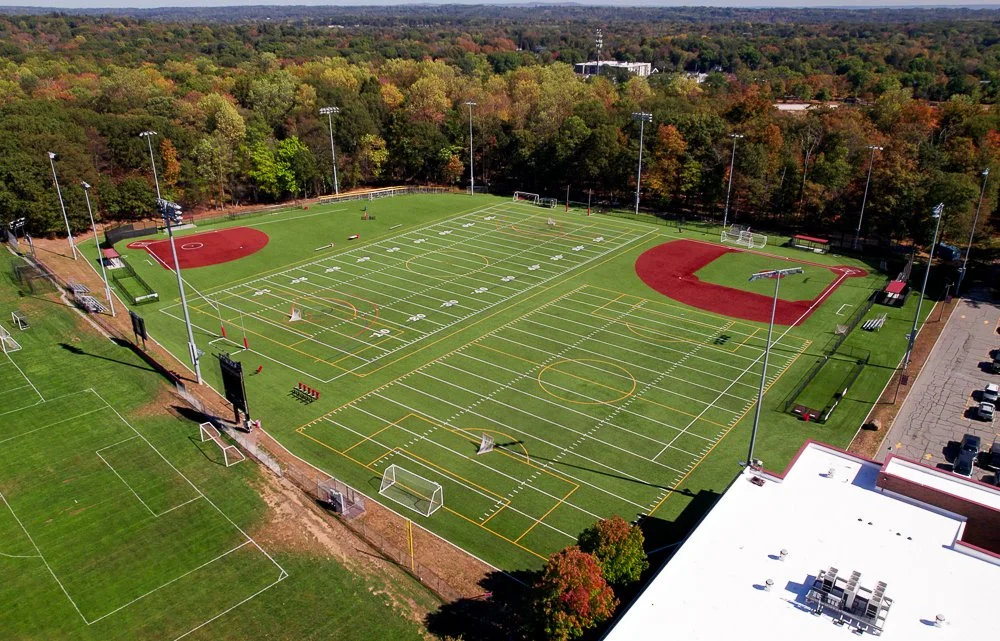
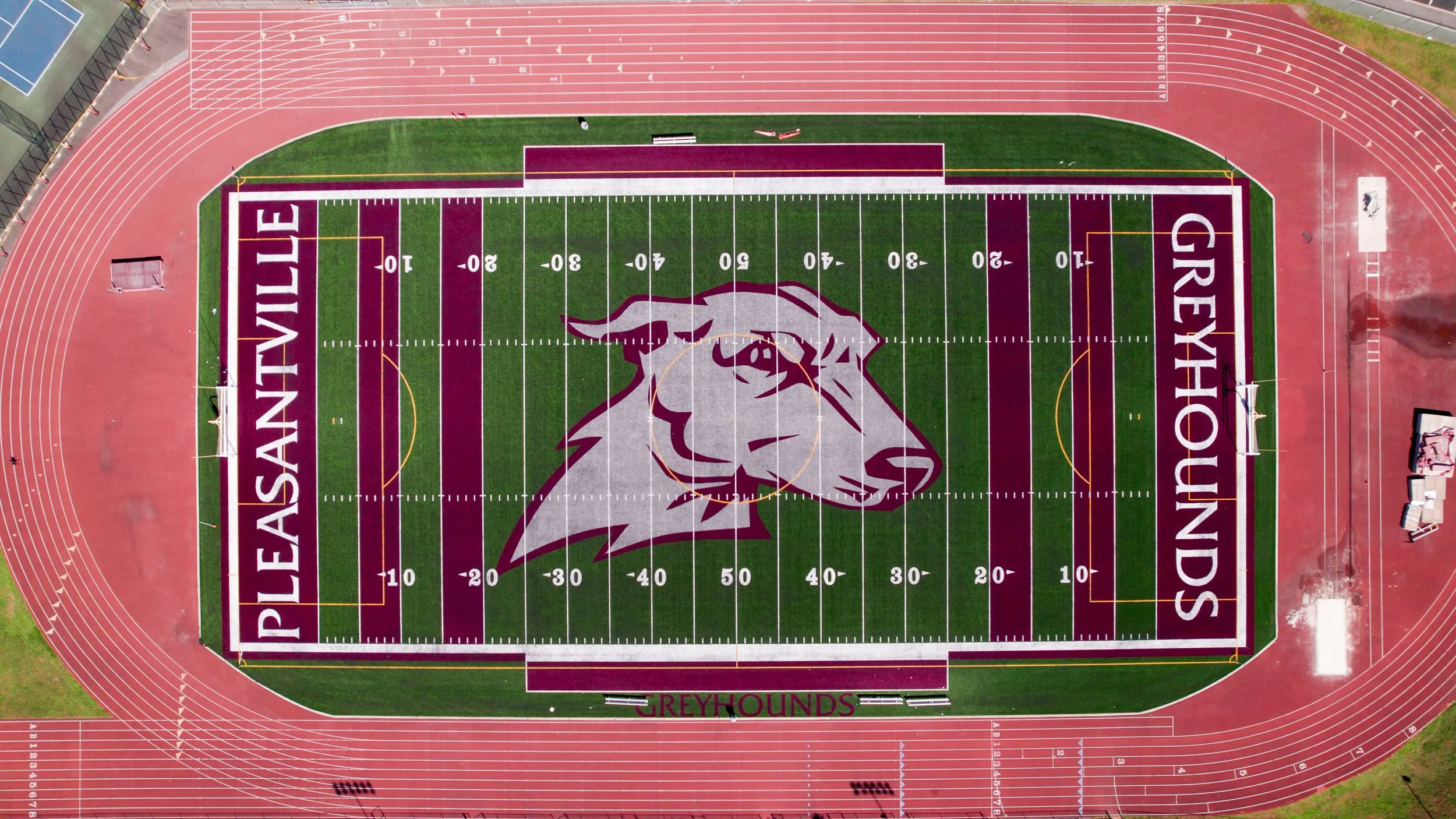
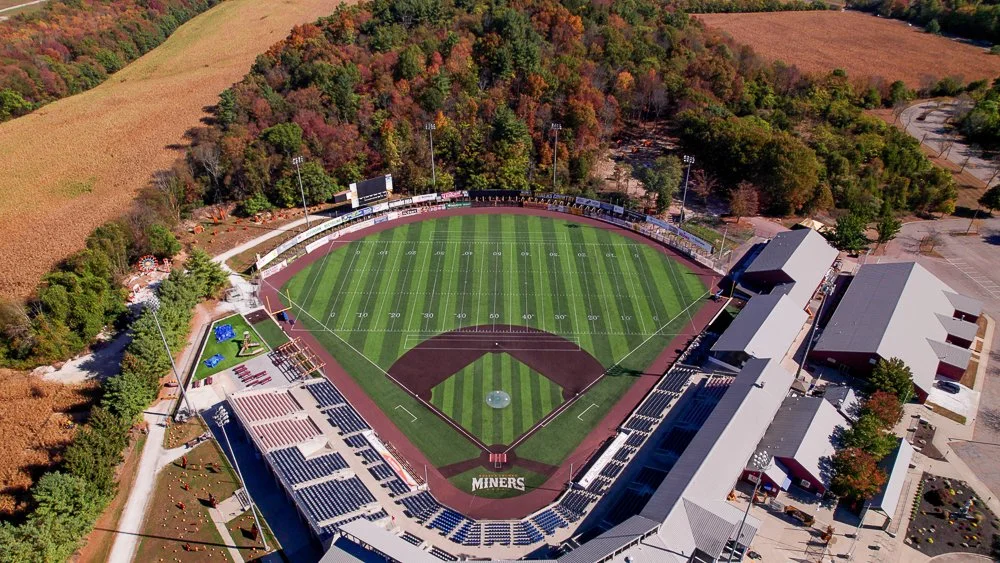
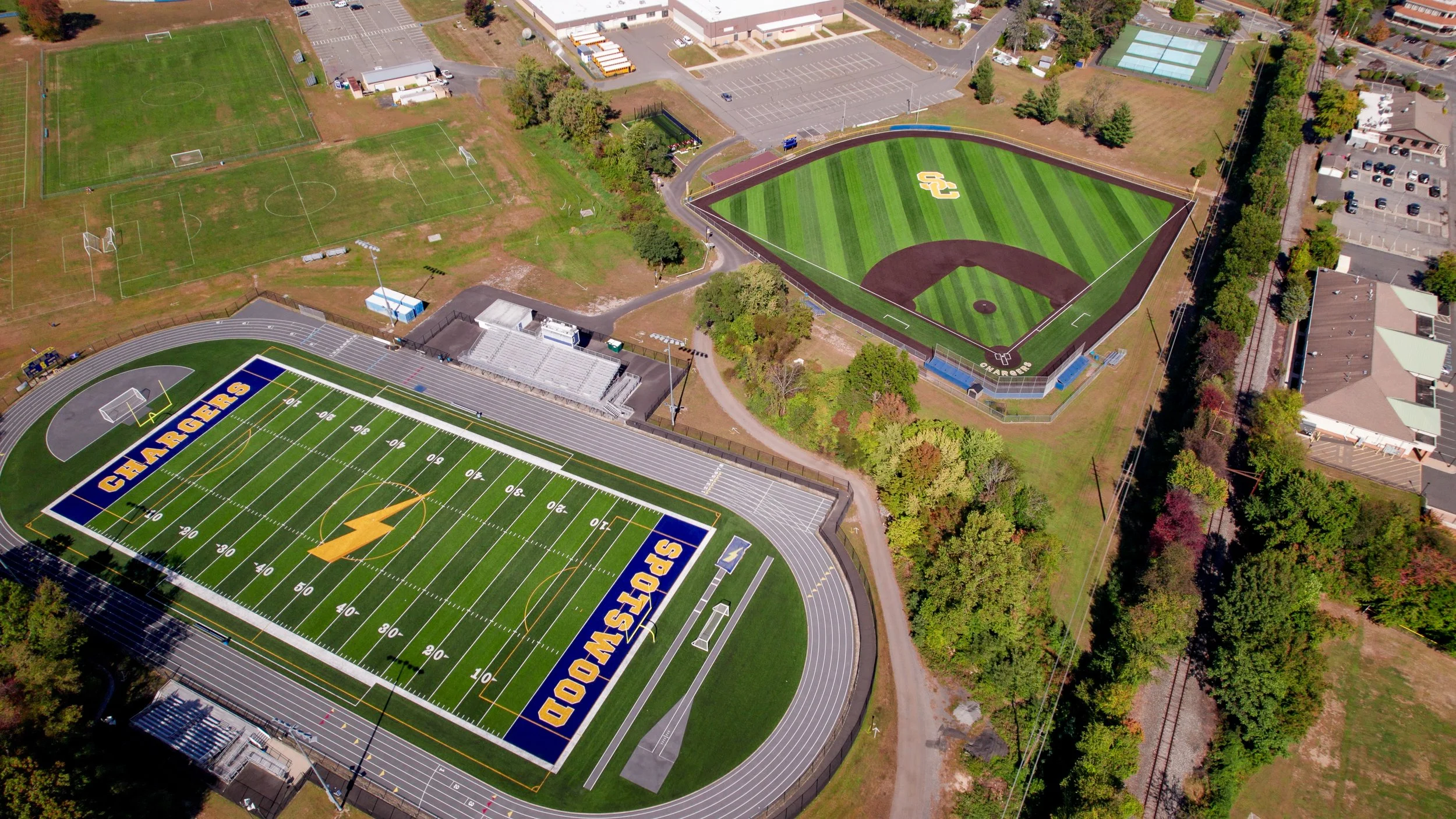
We recently completed a statewide content capture across New Jersey—visiting multipleathletic facilities, turf fields, and public venues in a tightly scheduled window. The final deliverables looked effortless. The process behind them was anything but.
Here’s what it actually takes.
1.Coordinating With Athletic Directors & Facility Managers
Every field has a gatekeeper.
Athletic directors, facility managers, and operations staff control access, schedules, and priorities. And none of them care about your drone shot unless you respect their timeline.
That means:
Dozens of emails and follow-ups
Call scheduling across different departments
Understanding practice, game, and maintenance schedules
Knowing when a field can actually be empty
The goal isn’t just access—it’s trust. When facility leaders feel confident in your process, they become collaborators instead of obstacles.
2. Parks Departments & Municipal Permissions
Public facilities add another layer.
Parks departments often require:
Certificates of insurance
Written filming requests
Proof of commercial drone licensing
Specific time windows for filming
Miss one document and your shoot day can disappear.
Professional statewide capture isn’tabout flying drones—it’s about paperwork.
3. FAA Drone Compliance Isn’t Optional
Every flight must comply with FAA Part 107 regulations. That includes:
Airspace authorization when required
Flight logs
Pilot certification
Operational risk assessment
In New Jersey, this also meant navigating proximity to controlled airspace, coastal wind conditions, and dense urban environments.
You don’t just “show up and fly.”
You plan weeks in advance.
4. Weather Monitoring Becomes a Full-Time Job
A statewide schedule doesn’t care about your weather app.
You monitor:
Wind speeds
Cloud ceilings
Precipitation windows
Sunrise and sunset timing
And then you build backup plans for every single location.
Weather is the silent production manager on every outdoor shoot.
5. Ensuring Fields Are Truly Empty
A field that should be empty often isn’t.
Youth practices run late. Maintenance crews arrive early. Coaches add walkthroughs. Community groups show up unannounced.
Which means:
On-site confirmation
Real-time communication
Patience and flexibility
Knowing how to capture alternate angles when plans shift
The best shot isn’t just well planned—it’s well negotiated.
6. Insurance Is the Foundation
Professional content capture only works when everyone is protected.
That includes:
General liability
Drone liability
Additional insured certificates for municipalities and schools
Without proper insurance, doors stay closed.
With it, conversations stay open.
7. Logistics Matter as Much as Creativity
Route planning. Drive times. Battery management. Data backups. Gear redundancy. Location prioritization.
Statewide capture isn’t creative chaos—it’s controlled logistics with a creative outcome.
The Final Result
When done right, statewide content capture gives brands something rare:
Consistent visuals across multiple facilities
Geographic credibility
Marketing assets that scale
Proof of real installation footprint
It turns individual projects into a statewide story.
The Real Takeaway
Anyone can capture a field.
Not everyone can coordinate a state.
That difference shows in the final product—and in how the brand is perceived.